April 10, 2020
In a recent article published in the Washington Examiner, Farahnaz Ispahani, Religious Freedom Institute Senior Fellow, turns to a long-running murder case in Pakistan and the deeply rooted anti-semitism it represents.
Ispahani recounts the story of Wall Street Journal reporter Daniel Pearl. In 2002, Pearl had visited Karachi to investigate reported links between al Qaeda and Inter-Services Intelligence (ISI), Pakistan’s premier intelligence agency. While there, he was deceived by al Qaeda leader Khalid Shaikh Mohammed, kidnapped, and murdered for the alleged crime of being both American and Jewish. His murder was filmed and the video spread through Pakistan like wildfire.
The popularity of the video, along with the murder itself, Ispahani explains, are reminders of the deep and disturbing influence of anti-Semitism in Pakistan. Showing yet another mark of that influence, last week a regional Pakistani court reduced the sentences of multiple men involved in Pearl’s murder. Although an appeal of this decision is forthcoming, Ispahani suggests that it is motivated by little more than concerns about “international outrage at the court decision.”
Read full article: “Pakistani courts go shamefully easy on terrorist who helped murder Jewish American journalist.”
THE RFI BLOG

Jul. 26, 2024
Myths of Religious Nationalism in America and Abroad

Jul. 26, 2024
France’s Olympic Hijab Ban Violates International Law And Exacerbates Tensions
Jul. 25, 2024
RFI Briefs USCIRF on Lessons from 25 Years of U.S. Designating Religious Freedom Violators

Jul. 23, 2024
Thought Police: Protecting the People from Prayer

Jul. 22, 2024
A Religious “Delaware”: Establishing a State Haven for Religious Corporations
CORNERSTONE FORUM
Jun. 26, 2024
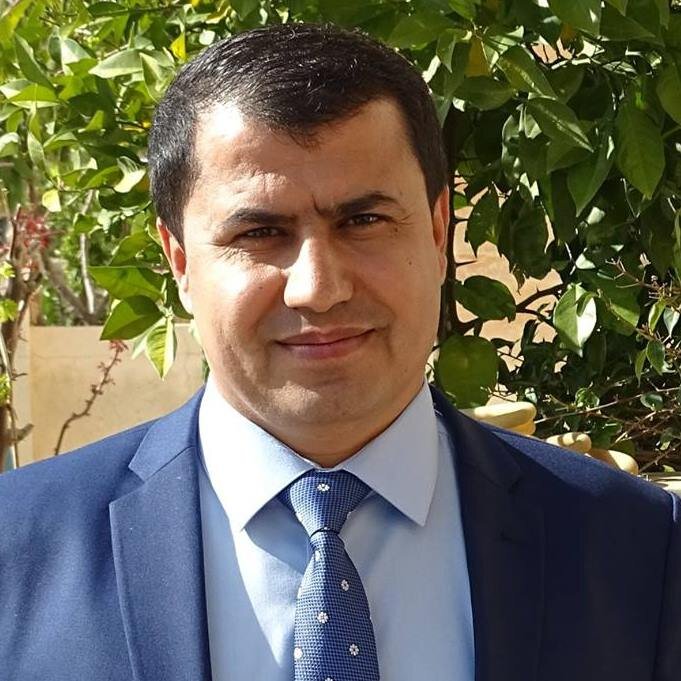
Challenges to Religious Freedom in Iraq and the Critical Need for Action

May. 05, 2023
Public Bioethics & the Failure of Expressive Individualism

Apr. 28, 2023
Religious Liberty in American Higher Education

Mar. 03, 2023
Scotland’s Kate Forbes and the March of Secularism

Dec. 09, 2022