June 26, 2017
What is the relationship between counterterrorism strategies and religious freedom? Would greater religious freedom in Muslim countries have prevented the rise of ISIS, al-Qaeda and their supporters, by decreasing grievances in their societies? Or would this have made counterterrorism efforts harder, by decreasing states’ control over “extremist” religious voices? Some research on religion and counterterrorism finds that religious freedom can complicate counterterrorism efforts, but its promotion is ultimately preferable to support for repression, while others have demonstrated that religious freedom is the critical piece for addressing terrorism, and still others see security concerns as preeminent to protection of religious freedom or other rights.
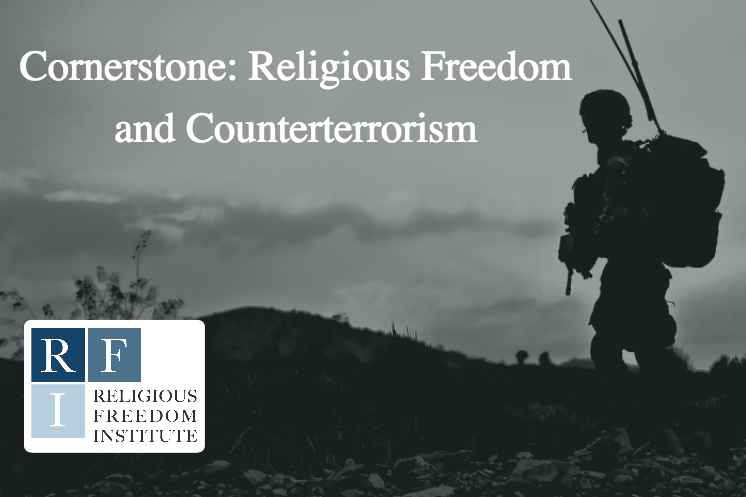
In this series of articles, we asked authors to examine these challenging questions on the relationship between religious freedom and counterterrorism efforts.
Featured




THE RFI BLOG
May. 02, 2024
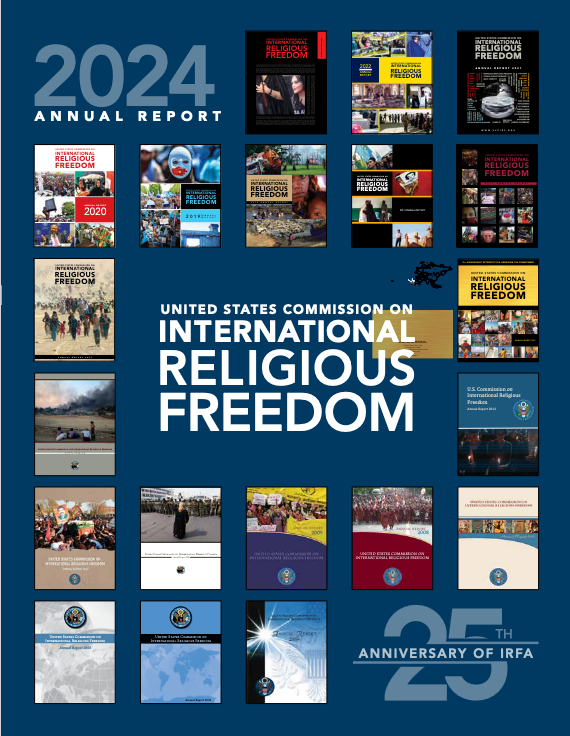
USCIRF Releases 25th Annual Report on International Religious Freedom

Apr. 26, 2024
A Call to End Anti-Semitism on America’s College Campuses

Apr. 26, 2024
The Horrendous and Maddening Anti-Semitism in New York City

Apr. 26, 2024
Religion, the ‘Russian World,’ and the War Against Ukraine

Apr. 25, 2024
Religious Freedom Is Back on the UK’s Agenda
CORNERSTONE FORUM

May. 05, 2023
Public Bioethics & the Failure of Expressive Individualism

Apr. 28, 2023
Religious Liberty in American Higher Education

Mar. 03, 2023
Scotland’s Kate Forbes and the March of Secularism

Dec. 09, 2022
70 Years of Religious Freedom in Sweden: Prospects and Challenges

Nov. 23, 2022