November 5, 2020
In an article published recently in Horizons: Journal of International Relations and Sustainable Development, Todd Huizinga, Senior Fellow for Europe at the Religious Freedom Institute, grapples with the underlying sources of social unrest so visible in the United States in recent months. He writes:
An insidious stealth ideology is at the core of the country’s predicament: a poorly understood postmodernism has permeated the social institutions whose ideas and pronouncements dominate the American cognitive environment. In academia, the media, the arts and entertainment, in many of our governing institutions from local to national, even in a good portion of the business world, Americans subconsciously see truth as arbitrary and subjective: a tool used in power games and for political advantage.
Such an understanding is incapable of providing a sound basis for genuine political deliberation or finding a sustainable cultural settlement in this turbulent time. This “poorly understood postmodernism,” among its other flaws, fails to account for the two-sided nature of the human person. Huizinga rejects postmodernism’s “radically secularist vision of the virtually unlimited malleability of human nature according to each person’s choice…” Offering a contrary vision, Huizinga writes, “[W]e each possess an ineffable dignity that nothing can take away and at the same time … we are flawed, fallible, and limited in our knowledge.” This dual understanding is useful politically, he argues, “only because it is true.”
Read the full article: Horizons: Journal of International Relations and Sustainable Development, “Facing Up to the Truth: A Conservative Perspective,” (Autumn 2020), 222-232.
THE RFI BLOG
Apr. 19, 2024
Be More Faithful, Become More Resilient: An Invitation to Religious Institutions

Apr. 05, 2024
How Soccer Reveals Different Meanings Of ‘Secular’ In France And The US
Apr. 05, 2024
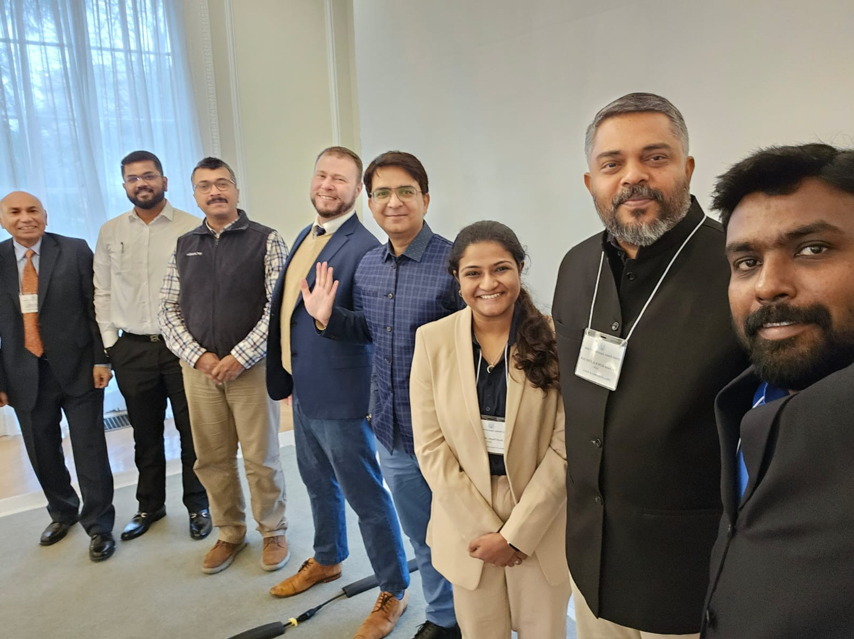
RFI’s Ismail Royer Meets with Delegation from India

Apr. 03, 2024
Protecting the Unborn, Mothers, and Medical Ethics: The Stakes of Arkansas’ Amendment

Mar. 29, 2024
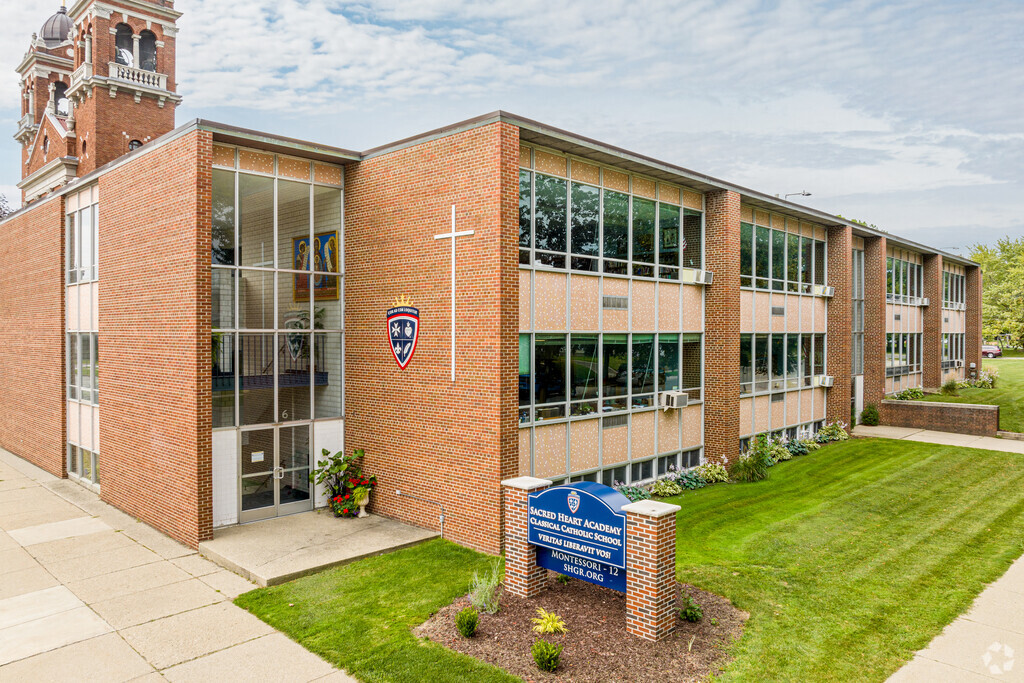
Wisconsin Supreme Court Punishes Catholic Charities for Serving Everyone
CORNERSTONE FORUM

May. 05, 2023
Public Bioethics & the Failure of Expressive Individualism
Apr. 28, 2023
Religious Liberty in American Higher Education

Mar. 03, 2023
Scotland’s Kate Forbes and the March of Secularism
Dec. 09, 2022
70 Years of Religious Freedom in Sweden: Prospects and Challenges
Nov. 23, 2022