
September 18, 2026

Summary of facts: An Orthodox Jew wanted to host congregational prayer in his home on the Sabbath and High Holidays. The city in which he resided issued an order prohibiting him from hosting the group without a zoning permit. In response, he sued the city under the First Amendment and the Religious Land Use and Institutionalized Persons Act (RLUIPA). The district court dismissed the case, holding that his claim was not ripe because he had not applied for a zoning permit and been denied. The plaintiff sought review in the U.S. Court of Appeals for the Sixth Circuit, which affirmed the dismissal. He then asked the U.S. Supreme Court to hear his case, and it agreed to do so.
RFI’s position: The rule adopted by the Sixth Circuit threatens religious exercise in one of the core contexts that prompted RLUIPA’s enactment. Minority religious communities, including Muslims, Hindus, Quakers, and Jews, disproportionately encounter implicit discrimination in land-use proceedings, and that discrimination takes the form of a delay rather than a clean denial. Nothing in RLUIPA supports a rigid final-decision rule, much less one that allows officials to defeat judicial review by stalling. At minimum, where delay and procedural obstruction impose the burden, those actions are sufficiently final to permit suit.
Read the brief here.
THE RFI BLOG
Oct. 08, 2026
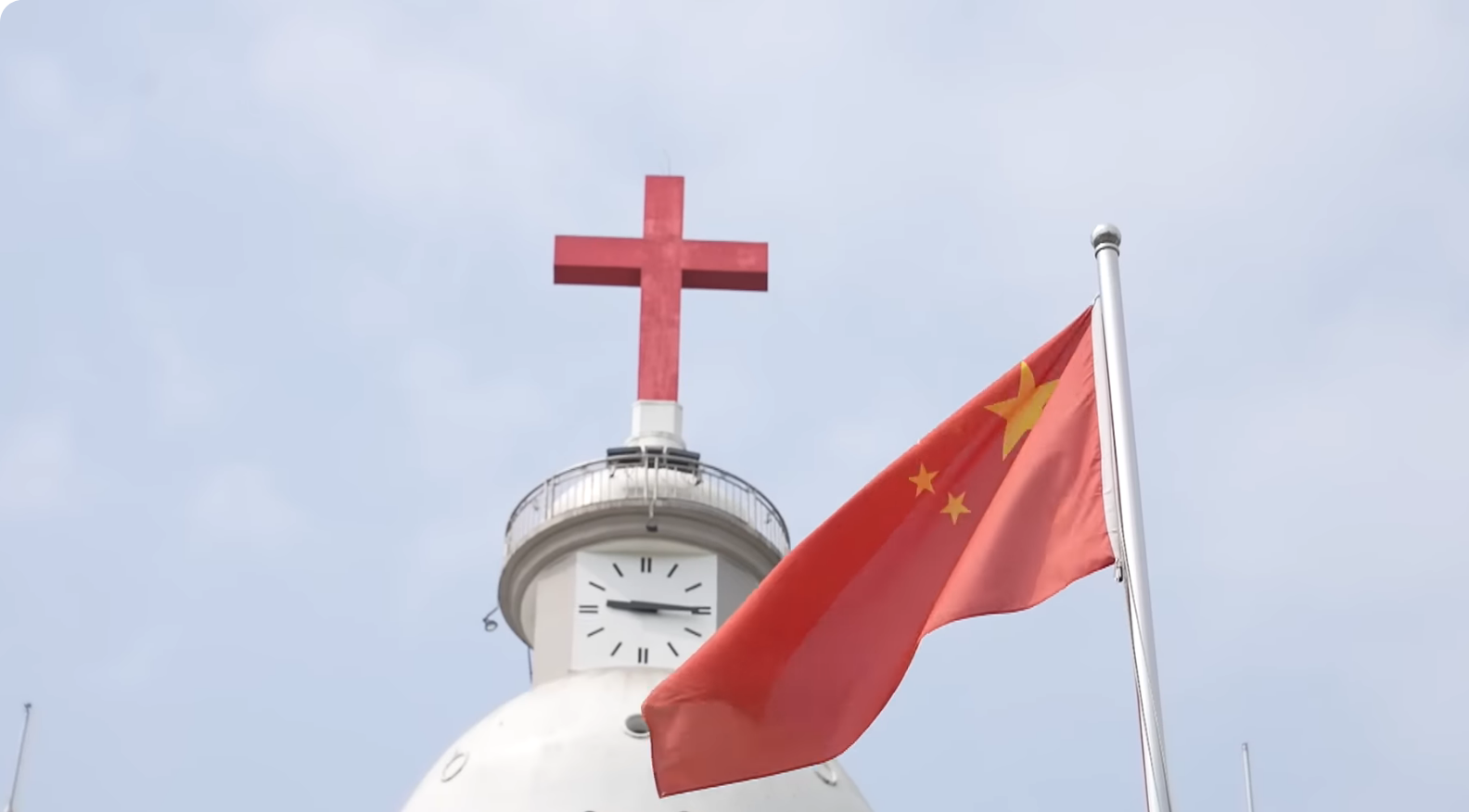
RFI President Discusses Religious Persecution in China and Nigeria on The Drew Mariani Show

Sep. 29, 2026
RFI President Addresses Rally Against Brutal Persecution at the Hands of China’s Xi Jinping

Sep. 25, 2026
The Friendship That Changed International Religious Freedom for America and the World

Aug. 28, 2026
Attorney General Blanche Makes Important Mark for Religious Liberty and Parental Rights

Aug. 14, 2026
