February 11, 2022
In an article published recently in Providence, RFI’s Executive Vice President Eric Patterson compares the controversial 1936 Olympics held in Nazi-controlled Germany to this year’s Olympics in Beijing. He goes on to explore the historical precedent for boycotting Olympic games held in certain countries and banning certain countries from competing in the Olympics.
Patterson points out three different types of Olympic boycotts that have occurred since the the era of the modern games began in 1896. The first type he highlights involves the International Olympic Committee (IOC) banning a country for its egregious human rights violations, such as when the IOC barred South Africa from the Olympics beginning in 1964 due to its apartheid regime. The second type involves countries boycotting the Olympics “because of the actions of a country that is going to participate in the Olympics.” The third type is undertaken on account of the host country’s policies.
Patterson argues that while the United States and other countries have committed to a “diplomatic boycott” of this year’s Olympics, we must also consider meaningful actions to change the way future Olympic host countries are selected. He further contends that the IOC should restrict China’s participation in future Olympics until the Chinese government ends its persecution of Uighur Muslims:
Governments need to encourage action by the International Olympic Committee (IOC) to ban China from participating in the 2024 and future Olympics until genocidal actions against Uighurs are halted in the same way that the IOC banned South Africa from Olympic participation from 1964-88 until apartheid ended.
Read the full article: “Olympic Boycotts: From Berlin 1936 to Beijing.”
THE RFI BLOG

Apr. 05, 2024
How Soccer Reveals Different Meanings Of ‘Secular’ In France And The US

Apr. 05, 2024
RFI’s Ismail Royer Meets with Delegation from India

Apr. 03, 2024
Protecting the Unborn, Mothers, and Medical Ethics: The Stakes of Arkansas’ Amendment
Mar. 29, 2024
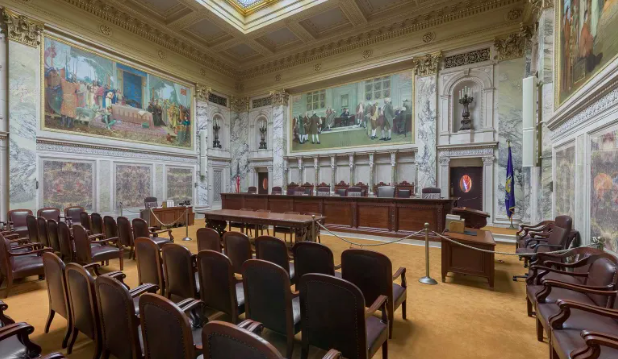
Wisconsin Supreme Court Punishes Catholic Charities for Serving Everyone
Mar. 22, 2024
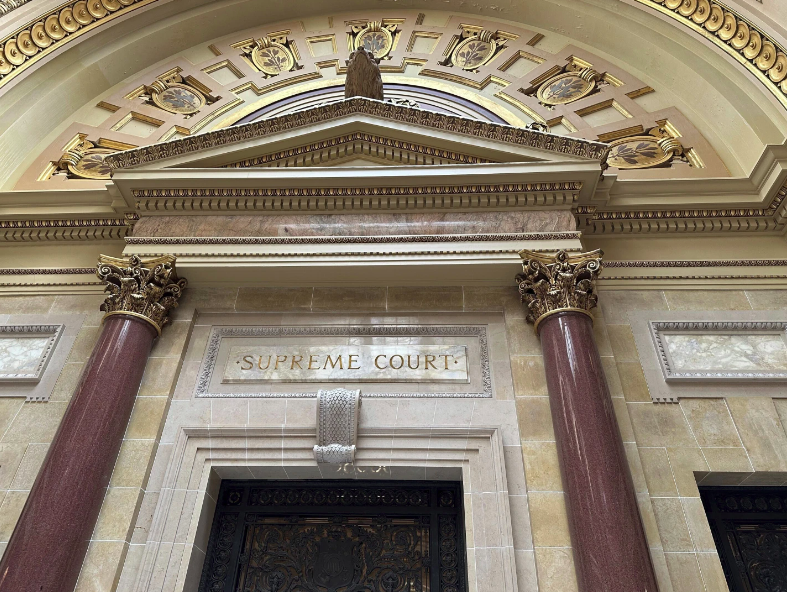
Wisconsin Supreme Court Decision Truncates Religion
CORNERSTONE FORUM

May. 05, 2023
Public Bioethics & the Failure of Expressive Individualism

Apr. 28, 2023
Religious Liberty in American Higher Education

Mar. 03, 2023
Scotland’s Kate Forbes and the March of Secularism

Dec. 09, 2022
70 Years of Religious Freedom in Sweden: Prospects and Challenges

Nov. 23, 2022