April 19, 2024
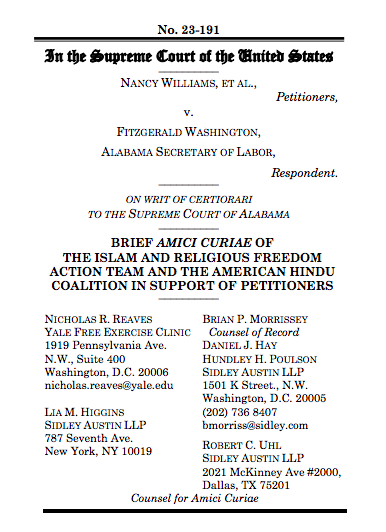
Summary of facts: The plaintiffs in this case sued the Alabama Department of Labor in state court, arguing that the agency violated their constitutional right to due process when it failed to process their unemployment claims. The plaintiffs brought their federal constitutional claims by way of 42 U.S.C. Sec. 1983, a statute that grants both federal and state courts jurisdiction over constitutional claims against state actors. The Supreme Court of Alabama upheld the lower courts’ dismissal of their suit on the ground that state law requires individuals who seek to bring a Sec. 1983 civil rights claim in state court to first exhaust any remedies available through state agencies. The plaintiffs appealed to the United States Supreme Court, which agreed to take the case.
RFI’s position: If states are allowed to impose their own administrative exhaustion requirements on federal causes of action, state bureaucrats and local administrative bodies could subject religious minorities to overwhelming administrative burdens and effectively block religious claimants from seeking redress for violations of core constitutional rights. This process-as-punishment regime would chill many claimants from seeking redress in state court for clear violations of religious rights and discourage minority religions from freely exercising their religion where local officials are viewed as hostile.
Read the amicus brief here.
THE RFI BLOG
May. 02, 2024
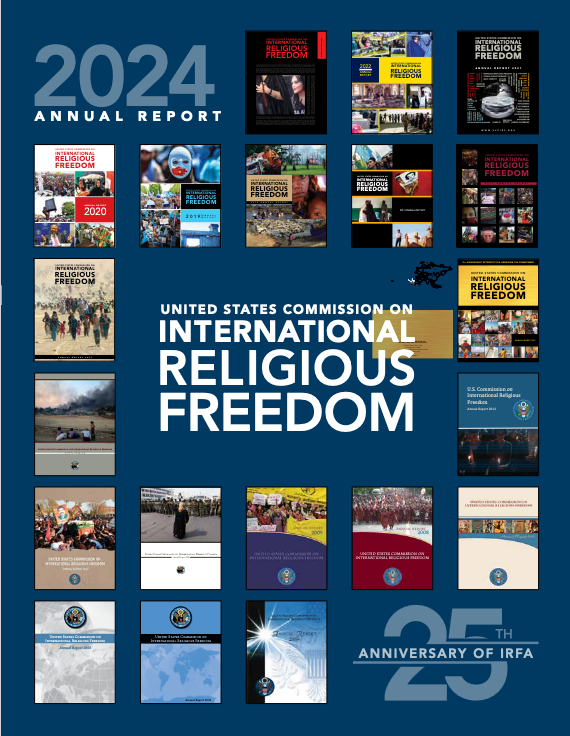
USCIRF Releases 25th Annual Report on International Religious Freedom
Apr. 26, 2024
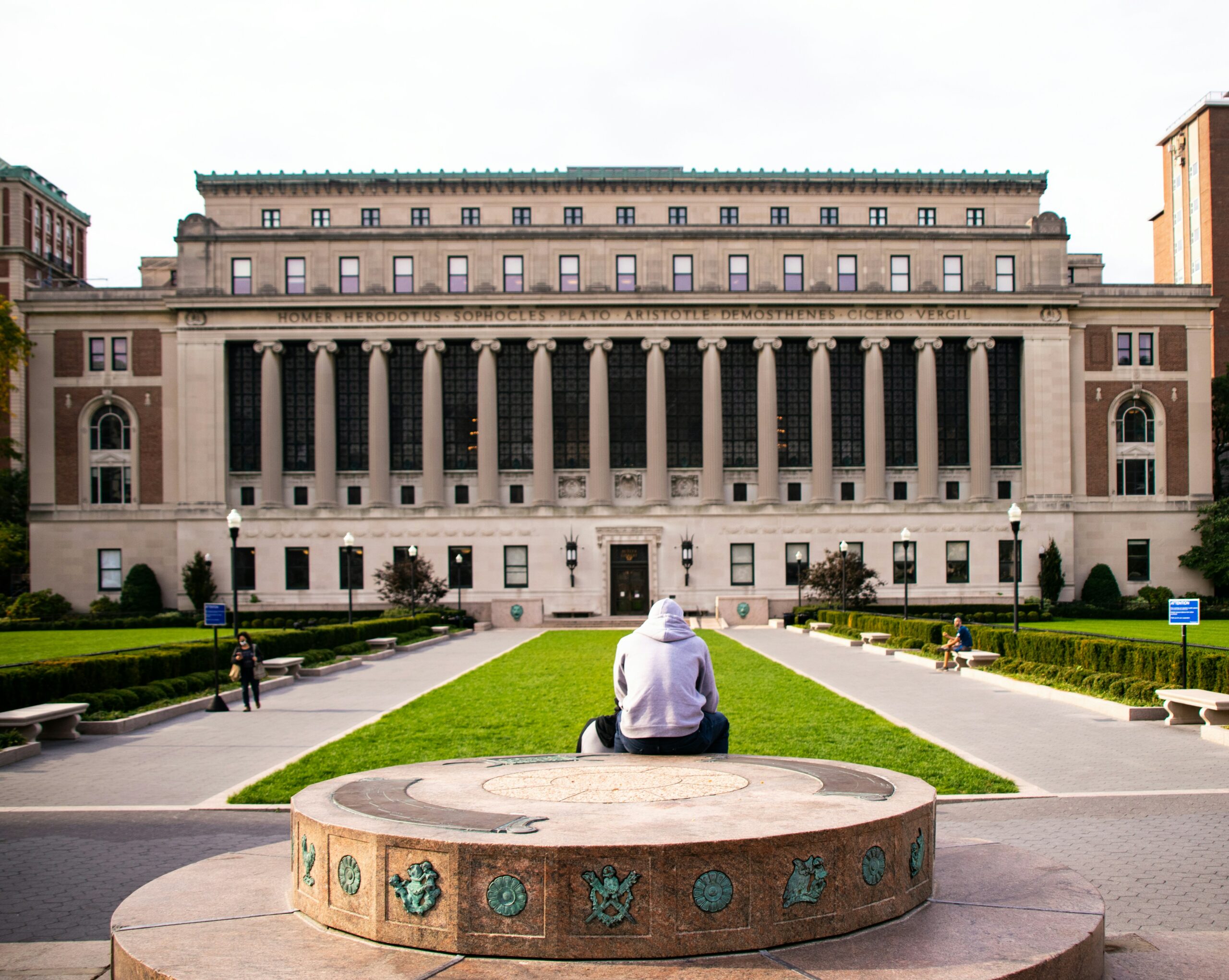
A Call to End Anti-Semitism on America’s College Campuses

Apr. 26, 2024
The Horrendous and Maddening Anti-Semitism in New York City

Apr. 26, 2024
Religion, the ‘Russian World,’ and the War Against Ukraine

Apr. 25, 2024
Religious Freedom Is Back on the UK’s Agenda
CORNERSTONE FORUM

May. 05, 2023
Public Bioethics & the Failure of Expressive Individualism

Apr. 28, 2023
Religious Liberty in American Higher Education

Mar. 03, 2023
Scotland’s Kate Forbes and the March of Secularism
Dec. 09, 2022
70 Years of Religious Freedom in Sweden: Prospects and Challenges
Nov. 23, 2022